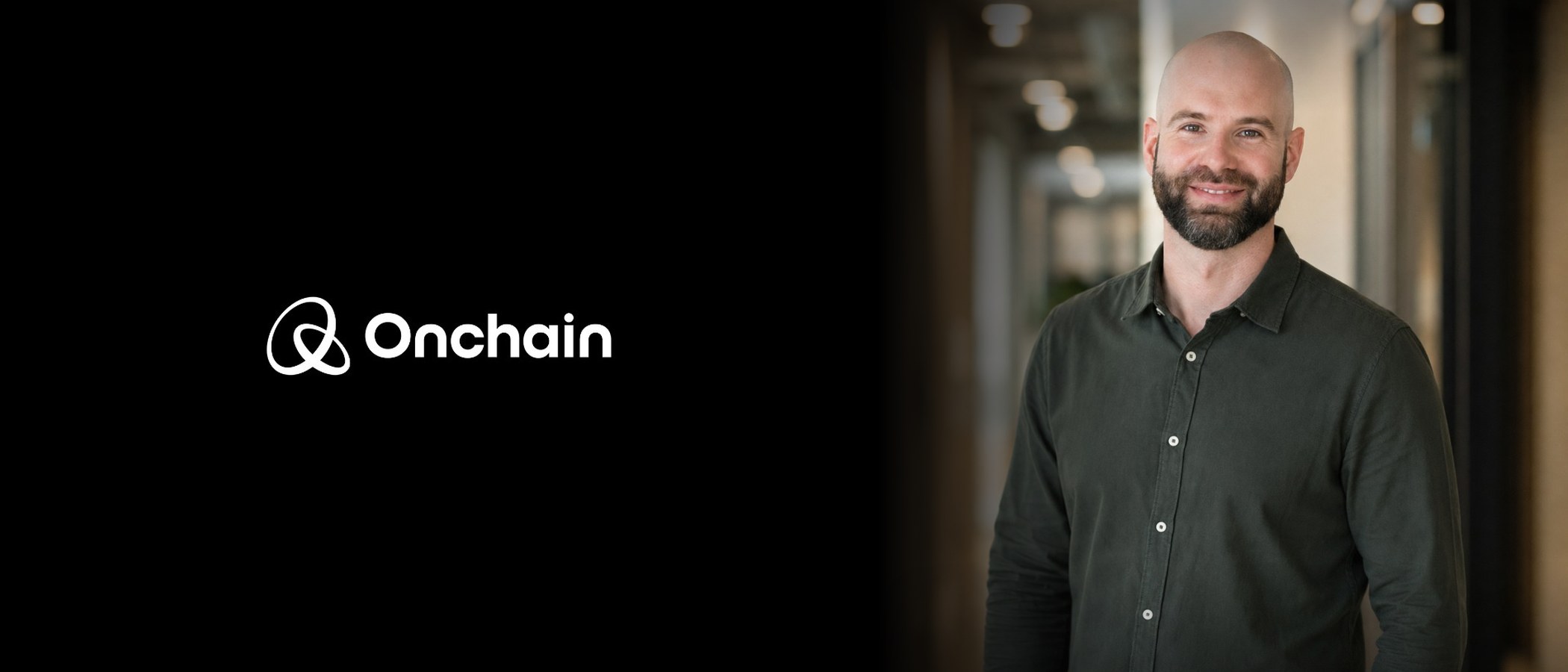
The Onchain Foundation moves money constantly. Some partners get paid in USD by wire, others in EUR by SEPA transfer. A domestic vendor gets paid by ACH. A growing share of contributors just get paid directly in USDC or USDT, straight to a wallet.
Behind all of it sits a four-person finance team trying to answer one simple question at any given moment: where does our cash actually stand?
For David Maier, who leads finance operations at the foundation, that question used to take longer than it should.
“We were running our fiat side and our stablecoin side as two completely separate operations,” David says. “Different logins, different approval chains, different spreadsheets to make them talk to each other. On paper it worked. But in practice, it meant nobody had a real-time answer to ‘what do we actually have, right now, across everything.’”
One business, four logins, zero clarity
Before Lisk, the foundation’s treasury ran across four separate logins: a mix of bank portals and wallets, plus a spreadsheet stitched together every Tuesday to reconcile the two. By the time the numbers were current, they were already out of date.
Approvals were the other bottleneck. A sign-off that should have taken two minutes routinely dragged on for two days, buried somewhere in a Slack DM thread, because there was no single, structured place for a payment to wait for approval, whether that payment was a wire or a stablecoin transfer.
“The stablecoin side of the business moves fast, that’s the whole point of using it,” David says. “But our approval process wasn’t built for stablecoins or for fiat, really. It was built for whichever tool happened to be open at the time. That mismatch is where things got lost.”
The result: sign-offs that surfaced days late, and a finance team that spent more time reconstructing what had happened than deciding what should happen next.
One workspace, both worlds
When David first laid out the foundation’s setup to us, it was clear the market didn’t have a tool built for organizations like his. Most treasury platforms pick a side: built for fiat, or built for crypto, with the other rail bolted on as an afterthought. Almost none are built for both from the ground up.
That’s the gap we set out to close, and the foundation helped shape how. During our work sessions together, David’s team gave us an ongoing, unfiltered view into where the friction actually lived, in their day-to-day approvals and month-end close. This empowered us to build the exact solution the Onchain Foundation needed.
By the time the foundation moved its treasury onto Lisk, accounts, payments, and approvals lived in one workspace, with the audit trail built in from day one rather than assembled after the fact. And this changed everything.
On the accounts side, the foundation now opens accounts for each purpose (grants, operating costs, reserves…), funds them in fiat or stablecoin, and sees a single, consolidated view that’s accurate down to the cent, in real time. No more Tuesday reconciliation ritual.
Payments work the same way regardless of rail. A contributor in Lisbon paid by SEPA transfer and a contributor in Manila paid in USDC move through the exact same queue, with the exact same approval flow. Stablecoin transfers settle in seconds rather than days, and major fiat rails (SEPA, ACH, wire) run alongside them without a separate process to manage.
“That was the part that changed things for us. It’s not that stablecoins got easier or that wires got easier: it’s that they stopped being two different problems. One queue, one approval flow, no difference. Whoever needs to sign off does it in the same place every time, so it doesn’t get lost.”
David Maier · Head of Finance, Onchain Foundation
The foundation also uses Lisk to hold and track its broader treasury, including stablecoin and fiat balances alongside other assets, in one live view, rather than piecing together a picture from statements after the fact.
What changed
The headline shift, in David’s words, is confidence.
“I can look at one screen and know what we have, across every rail, without waiting for someone to update a spreadsheet,” he says. “And when something needs approval, I know exactly where to find it. What Lisk brought us is confidence. And when you've spent years without it, you know how life-changing that is.”
David Maier · Head of Finance, Onchain Foundation
For a foundation moving money across borders and rails every week, that’s the difference between a treasury operation that reacts to problems at month-end, and one that sees them coming.